Estimated Reading Time: 8 minutes
A professional flat roof inspection should include 12 critical checkpoints that catch problems before they become expensive disasters. Most building owners get incomplete inspections that miss the early warning signs, leaving them vulnerable to sudden leaks and costly emergency repairs.
The difference between a thorough inspection and a basic walkthrough can save you thousands in damage costs. Here's exactly what should be included in every professional flat roof inspection and why each component matters for protecting your building investment.
The 12-Point Professional Flat Roof Inspection Checklist
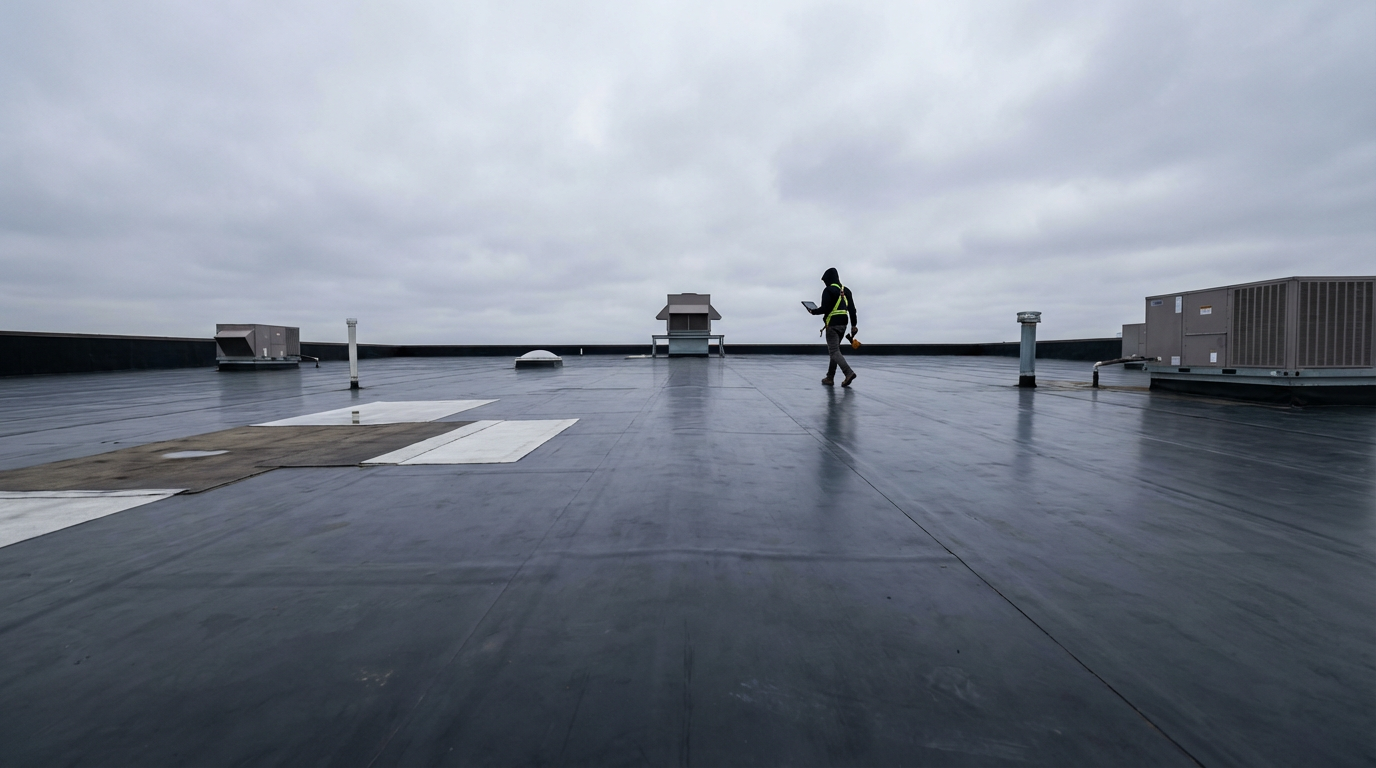
A complete flat roof inspection follows a systematic approach that examines every component affecting your roof's performance. This isn't a quick visual check—it's a methodical evaluation that takes 45-90 minutes depending on your building size.
1. Membrane Surface Condition Assessment
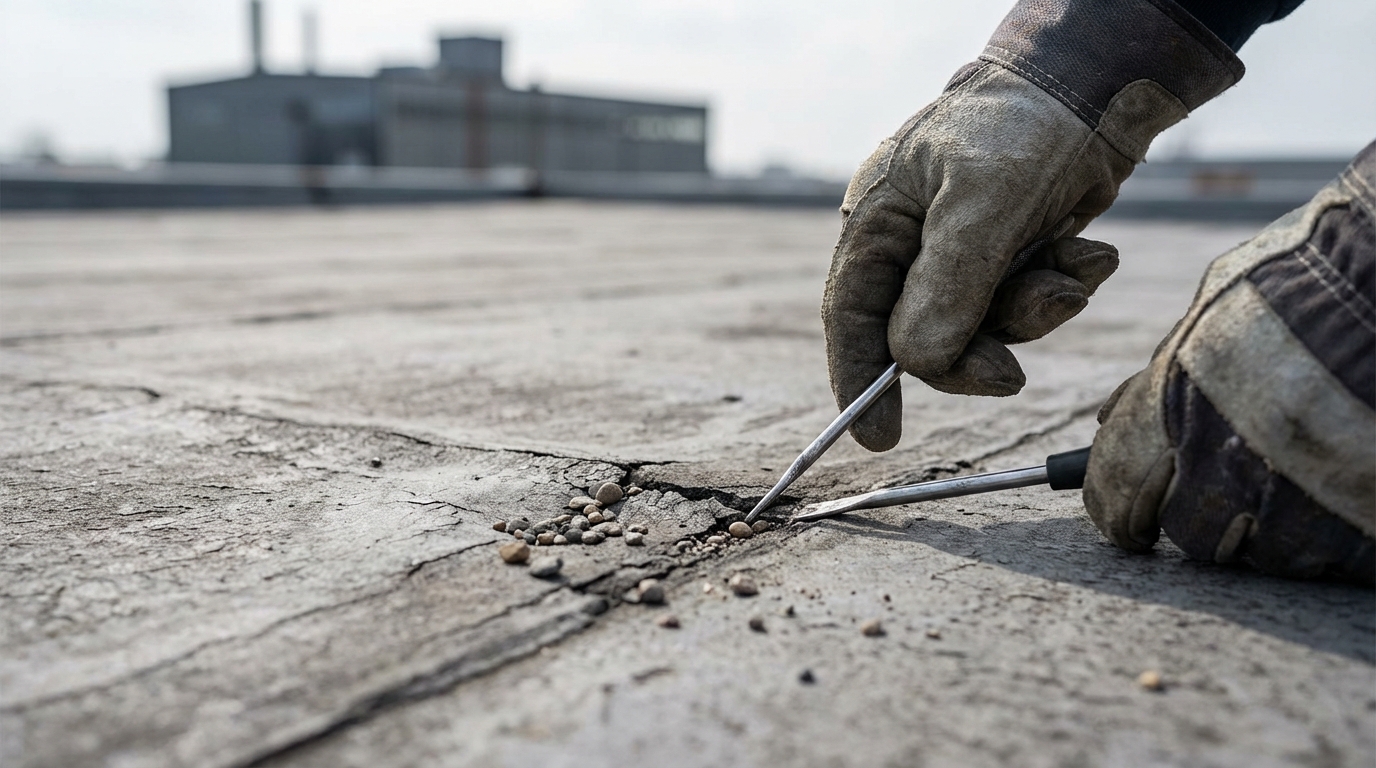
The roof membrane is your primary water barrier, and its condition determines everything. Professional inspectors examine the entire surface for punctures, tears, blisters, and UV damage. They look for alligatoring (surface cracking that resembles alligator skin), splitting along seams, and areas where the membrane has pulled away from penetrations.
For commercial flat roof repair in Northern Indiana, membrane issues are often the first sign of bigger problems. TPO membranes show stress cracking, EPDM develops shrinkage, and modified bitumen surfaces can blister from trapped moisture.
2. Drainage System Evaluation
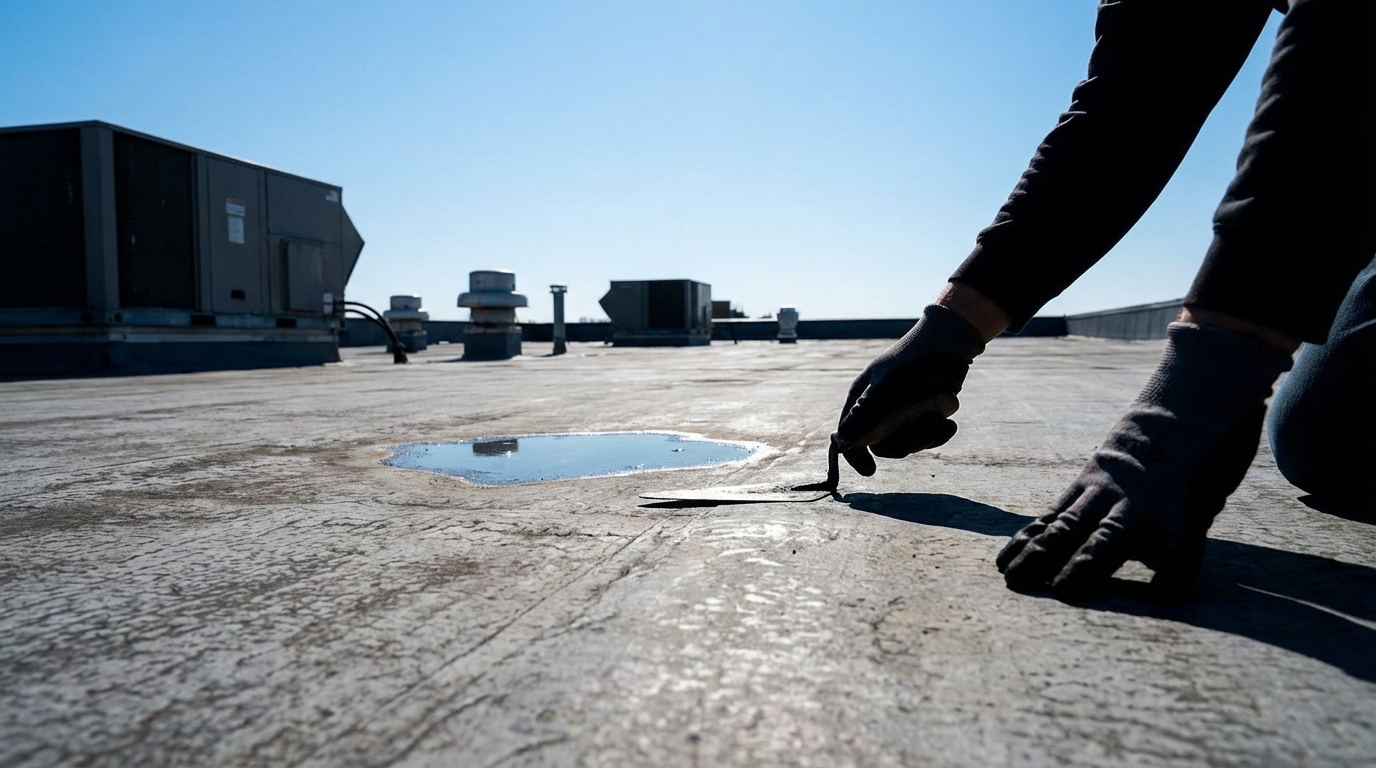
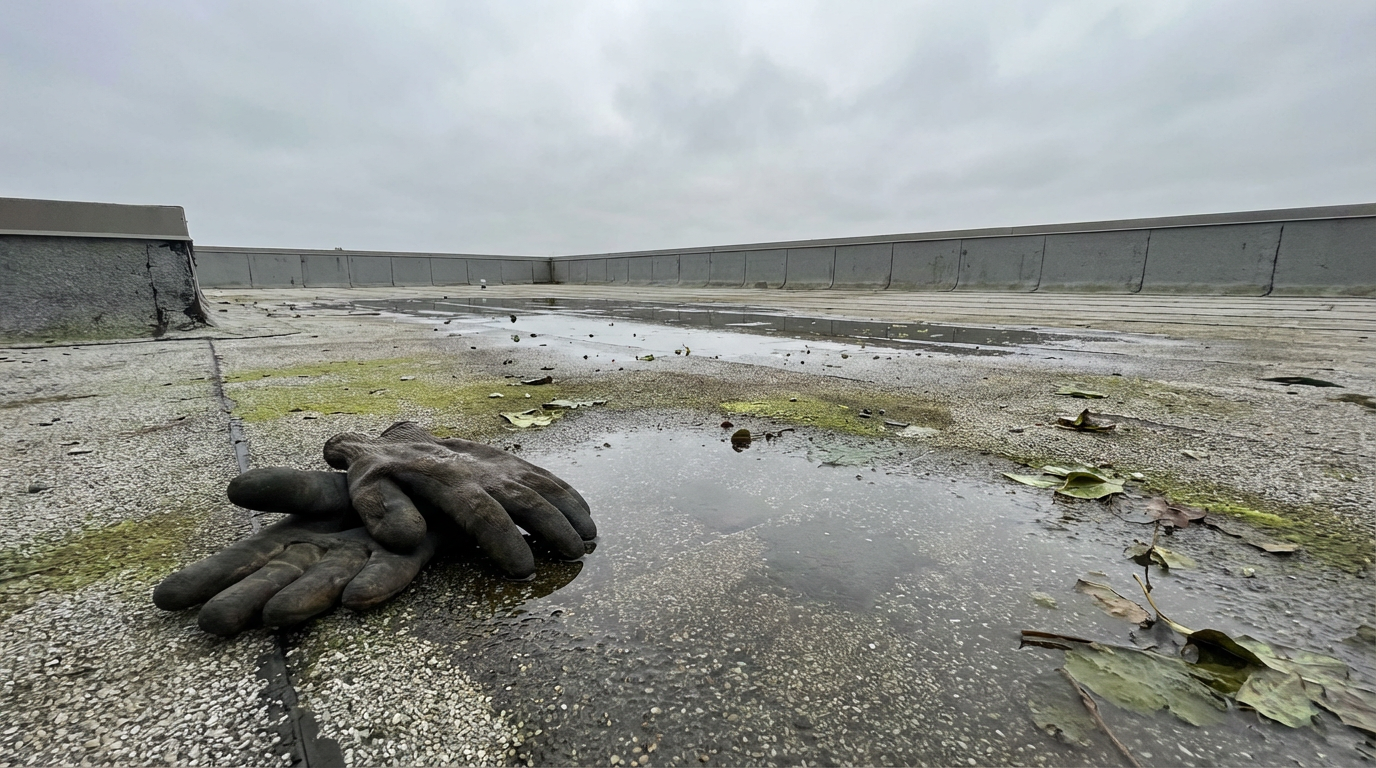
Water is flat roofing's biggest enemy. Inspectors check every drain, gutter, and downspout for proper function. They look for standing water areas (ponding), clogged drains, and inadequate slope that prevents water from flowing off the roof.
Ponding water accelerates membrane deterioration and creates leak risks. Any area holding water for more than 48 hours after rain needs attention.
3. Flashing and Penetration Integrity
Roof penetrations—vents, pipes, HVAC units, skylights—are where most leaks start. Professional inspectors examine every penetration for proper flashing installation, sealant condition, and membrane attachment. They check for gaps, loose fasteners, and deteriorated caulking around these vulnerable areas.
4. Insulation and Deck Assessment
Inspectors probe the roof deck for soft spots that indicate moisture infiltration or structural damage. They check insulation for compression, moisture damage, and proper installation. Wet insulation loses R-value and can lead to deck rot in the underlying structure.
5. Fastener and Seam Inspection
Every fastener and seam gets examined for proper installation and condition. Loose fasteners create leak points, while failed seams allow water infiltration. Inspectors check for backing out screws, missing caps, and seam separation.
6. Edge Detail Examination
Roof edges and perimeters face the most stress from wind and weather. Inspectors check edge flashing, fascia attachment, and membrane termination. They look for wind damage, loose edges, and areas where the membrane has pulled away from the edge.
7. HVAC Equipment Assessment
Rooftop HVAC units create multiple penetration points and vibration stress. Inspectors examine equipment mounting, vibration pads, and the condition of penetrations around refrigerant lines and electrical connections. They also check for proper clearances and access requirements.
8. Safety System Evaluation
Fall protection systems, guardrails, and roof access equipment get inspected for proper installation and condition. This includes checking anchor points, guardrail stability, and ladder safety systems required for safe roof maintenance.
9. Interior Leak Investigation
Professional inspectors examine the building interior for signs of water intrusion. They look for water stains, mold growth, and ceiling damage that might indicate active or past leaks. This helps identify problem areas that aren't visible from the roof surface.
10. Structural Load Assessment
Inspectors evaluate the roof's ability to handle snow loads, equipment weight, and maintenance traffic. They check for sagging areas, overloaded structural members, and deflection that could affect drainage or membrane performance.
11. Energy Efficiency Analysis
Modern flat roof inspections include energy performance evaluation. Inspectors check insulation levels, thermal bridging, and reflectivity of the roof surface. They identify opportunities to improve energy efficiency and reduce cooling costs.
12. Documentation and Prioritization
Professional inspectors document every finding with photos and detailed notes. They prioritize issues by urgency—immediate safety concerns, items needing attention within 30 days, and long-term maintenance recommendations.
Why Most Inspections Fall Short
Many building owners receive incomplete inspections that miss critical issues. Here's what separates professional inspections from basic checks:
Surface-Only Inspections Miss Hidden Problems
Basic inspections only look at what's visible from the roof surface. Professional inspectors use moisture meters, core samples, and infrared cameras to detect hidden moisture and insulation problems. They also examine the building interior to correlate roof issues with water damage patterns.
Inexperienced Inspectors Misinterpret Normal Wear
Flat roofing systems have normal aging patterns that inexperienced inspectors might flag as problems. Professional inspectors understand the difference between cosmetic aging and functional failure. They know which issues need immediate attention and which can be monitored.
Generic Reports Don't Provide Actionable Information
Many inspection reports list problems without prioritization or cost estimates. Professional inspections provide clear action plans with timelines and budget guidance. You get specific recommendations, not vague observations.
The Industrial Roofing Services Michiana Difference
Commercial building owners across Northern Indiana and Southwest Michigan need inspections that account for regional weather challenges. Ice dams, thermal cycling, and severe storms create specific stress patterns that require experienced evaluation.
Climate-Specific Assessment
Michiana's climate creates unique challenges for flat roofing systems. Professional inspectors understand how freeze-thaw cycles affect membrane performance, how snow loading impacts structural integrity, and how summer heat affects membrane aging.
Local Building Code Knowledge
Inspection standards vary by municipality. Professional inspectors in the Elkhart Indiana area understand local requirements for drainage, insulation, and safety systems. They identify code compliance issues that could affect insurance coverage or resale value.
Emergency Preparedness Planning
Professional inspections include emergency flat roof repair planning. Inspectors identify the most vulnerable areas and provide guidance for temporary repairs if sudden leaks occur. This preparation can prevent extensive water damage during storms.
What Happens After the Inspection
A professional inspection is only valuable if it leads to appropriate action. Here's how to use inspection results effectively:
Immediate Action Items
Address safety hazards and active leaks immediately. These issues can cause injury or property damage if delayed. Professional inspectors clearly identify which problems need emergency attention.
30-Day Priority Items
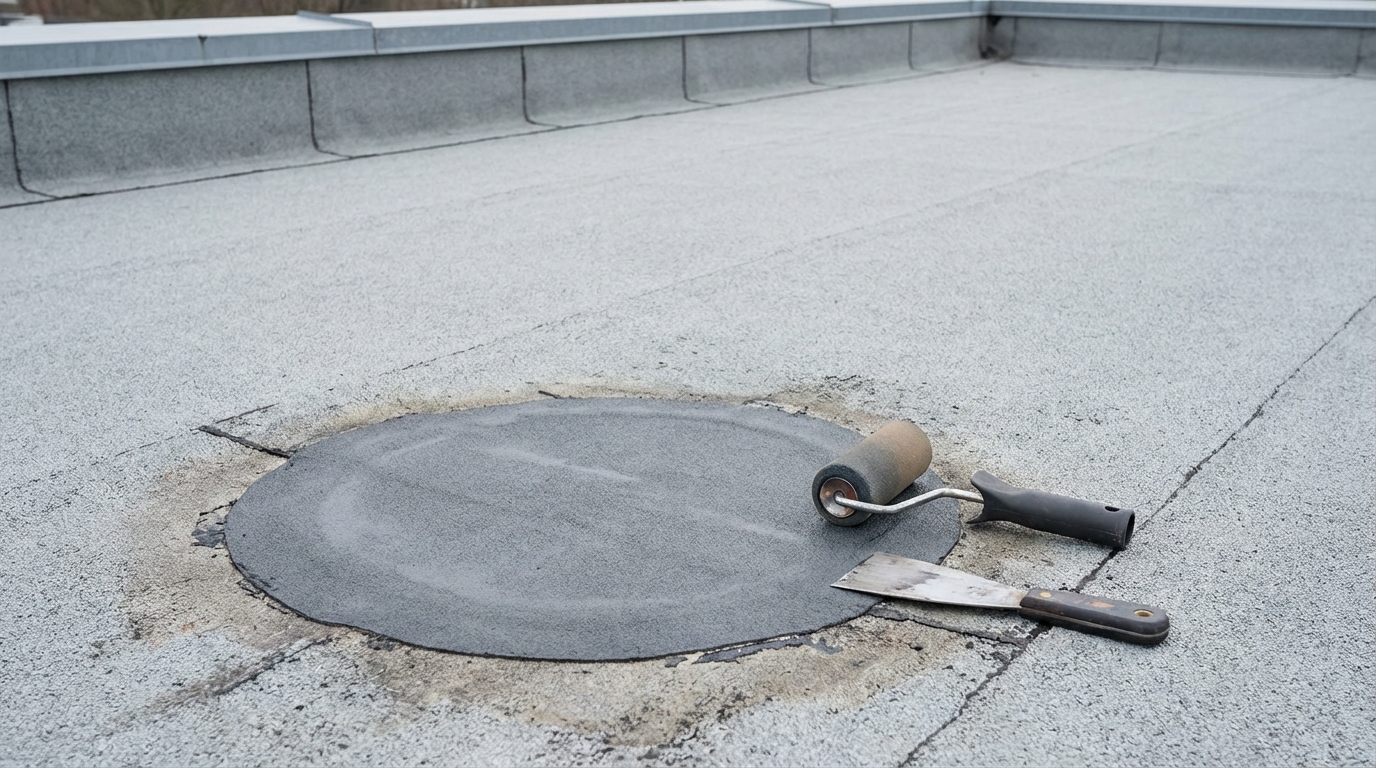
Schedule repairs for issues that could become emergencies within a month. This includes loose flashing, minor membrane damage, and drainage problems. Addressing these items prevents costlier repairs later.
Annual Maintenance Planning
Use inspection findings to plan your annual maintenance budget. Professional inspections provide cost estimates for upcoming needs, helping you budget for roof maintenance and replacement.
Insurance Documentation
Keep detailed inspection reports for insurance purposes. If storm damage occurs, having recent inspection documentation helps establish pre-existing conditions versus new damage. This documentation can streamline claims processing.
Cost vs. Value of Professional Inspections
Professional flat roof inspections cost $300-800 depending on building size and complexity. Compare this to the cost of emergency flat roof repair, which averages $1,500-5,000 for urgent fixes, plus potential interior damage costs.
Regular inspections extend roof life by 30-50% through early problem detection. For a commercial roof worth $50,000-200,000, annual inspection costs represent less than 1% of replacement value while potentially doubling the roof's service life.
When to Schedule Professional Inspections
Schedule comprehensive inspections annually, with additional checks after severe weather events. Spring inspections catch winter damage before summer storms, while fall inspections prepare your roof for winter weather.
New building owners should schedule inspections immediately to establish baseline conditions and identify any warranty issues. Buildings over 10 years old benefit from twice-yearly inspections as aging accelerates.
Frequently Asked Questions
How long does a professional flat roof inspection take?
A thorough inspection takes 45-90 minutes for most commercial buildings. Complex facilities with multiple roof levels or extensive equipment may require 2-3 hours. The inspector needs adequate time to examine every component properly.
Can I perform my own flat roof inspection?
While you can do basic visual checks, professional inspections require specialized knowledge and equipment. Moisture detection, structural assessment, and membrane evaluation need trained expertise. DIY inspections often miss critical issues that professionals catch.
What should I do if the inspection finds major problems?
Prioritize safety issues and active leaks first. Get multiple quotes for major repairs, but don't delay emergency fixes. Professional inspectors can recommend qualified flat roof maintenance contractors and help you understand repair versus replacement decisions.
How often should commercial flat roofs be inspected?
Annual inspections are standard for most commercial buildings. Buildings in harsh climates or with aging roofs benefit from twice-yearly inspections. Always inspect after severe weather events, regardless of your regular schedule.
What documentation should I expect from a professional inspection?
Professional inspections include detailed written reports with photographs, priority rankings, and cost estimates. You should receive a comprehensive document suitable for insurance purposes, maintenance planning, and contractor bidding. Reports typically include executive summaries for quick reference.
Do inspection findings affect my insurance coverage?
Insurance companies increasingly require maintenance documentation for commercial properties. Regular professional inspections demonstrate due diligence and can support claims. However, known problems that aren't addressed may affect coverage, so follow inspection recommendations promptly.
Professional flat roof inspections protect your building investment through systematic evaluation of every component affecting roof performance. The 12-point inspection process catches problems early, prevents emergency repairs, and extends roof life significantly. For commercial building owners in Northern Indiana and Southwest Michigan, professional inspections are essential for managing weather-related risks and maintaining property value.
Don't wait for leaks to discover roof problems. Professional inspections provide the detailed assessment needed to keep your flat roof performing reliably for years to come.