Estimated Reading Time: 8 minutes
The best commercial flat roofing contractor in Northern Indiana is one that combines deep material expertise, proven local experience, and a systematic approach to both emergency repairs and planned replacements. Here's exactly what separates professional Industrial Roofing Services Michiana from the rest, and how to identify the contractor who will protect your biggest asset.
Your commercial flat roof isn't just overhead protection—it's a critical business system. When it fails, operations stop. Inventory gets damaged. Customers can't enter your building. The wrong contractor choice costs you far more than the initial repair bill.
Why Material Expertise Matters More Than Price
Most commercial building owners make their contractor decision based on the lowest bid. This approach fails because flat roofing isn't a commodity—it's an engineered system where material selection determines everything.
A qualified commercial roofer in Elkhart Indiana should demonstrate expertise across multiple flat roofing systems: TPO, EPDM, PVC, modified bitumen, and metal. Each material serves different building types, climate conditions, and budget requirements. A contractor who only installs one type of membrane is limiting your options from the start.
TPO works well for most commercial applications in Northern Indiana's climate, offering energy efficiency and durability at a moderate cost. PVC handles chemical exposure better, making it ideal for restaurants or manufacturing facilities. EPDM provides the longest track record but requires more maintenance. Modified bitumen suits buildings with heavy foot traffic or equipment loads.
The contractor who explains these differences—and recommends based on your specific building use, not their preferred installation—demonstrates the expertise your roof requires.
Local Experience Beats National Reputation
Northern Indiana's weather patterns demand specific roofing knowledge. Freeze-thaw cycles, ice damming, and sudden temperature swings create unique stress on flat roof systems. A contractor with decades of local experience understands how different materials perform through Michiana winters.
This regional expertise shows up in details: proper drainage design for heavy spring rains, insulation specifications for energy efficiency, and membrane attachment methods that handle wind loads. National roofing companies often apply generic solutions that fail under local conditions.
Look for contractors with established local relationships—suppliers who stock materials quickly, subcontractors who understand the work, and a service area that allows rapid emergency response. When your roof leaks at 2 AM during a storm, you need someone who can be there within hours, not days.
The Emergency Response Test
Emergency flat roof repair capability reveals everything about a contractor's operation. When water pours through your ceiling, you discover whether your contractor has the systems, materials, and crew availability to respond immediately.
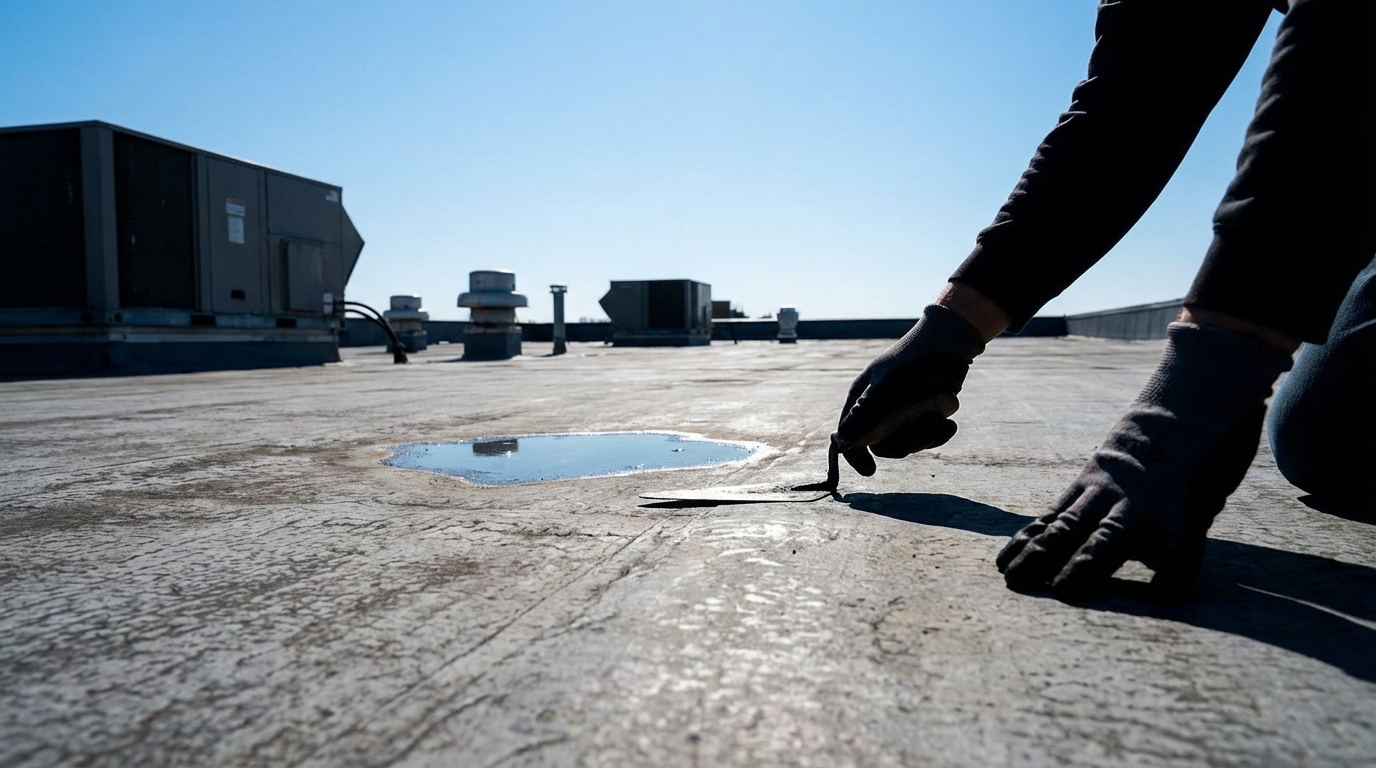
Professional contractors maintain emergency repair materials in stock: temporary membrane patches, sealants that work in wet conditions, and tarping systems for immediate protection. They have crew members on call and established protocols for after-hours response.
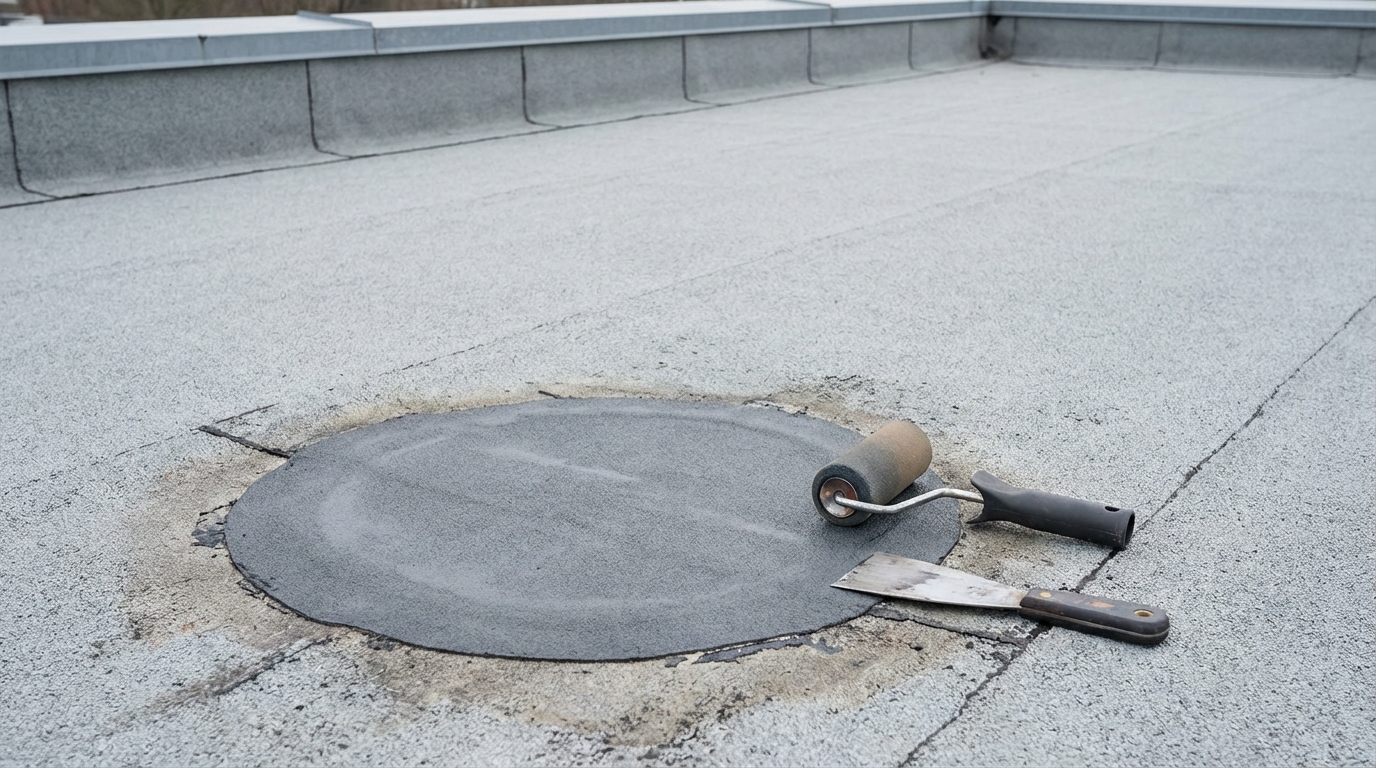
More importantly, they can distinguish between temporary emergency repairs and permanent solutions. A patch that stops the immediate leak isn't the same as addressing the underlying failure. The right contractor provides immediate protection while developing a comprehensive repair plan.
Test this before you need it. Ask potential contractors about their emergency response process: How quickly can they respond? What materials do they stock for immediate repairs? Do they charge premium rates for emergency calls? Their answers reveal whether they're equipped for real commercial roofing service.
Inspection and Maintenance Programs
The most valuable commercial roofing contractors offer preventive maintenance programs, not just repair services. Flat roof inspection and maintenance prevent emergencies rather than just responding to them.
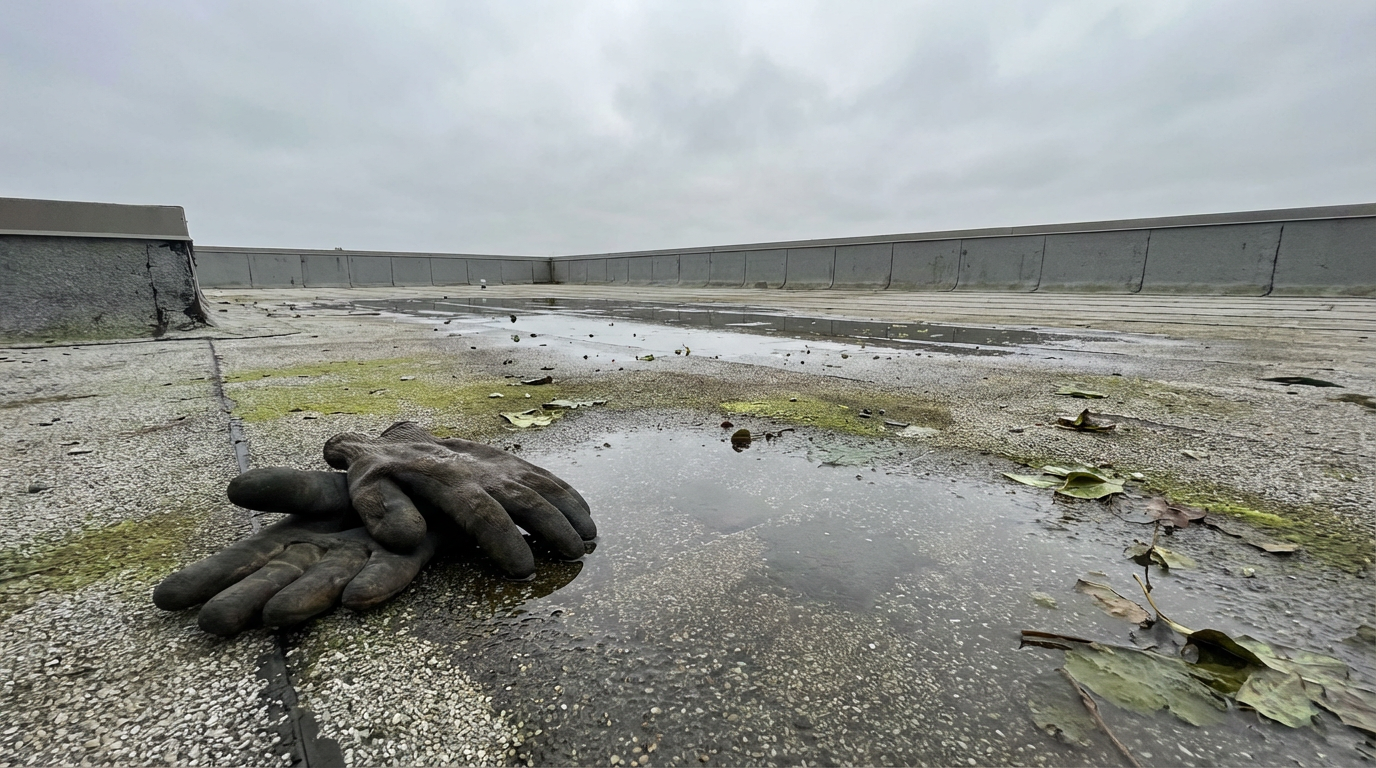
A systematic maintenance program includes bi-annual inspections, drain cleaning, membrane cleaning, minor repair completion, and detailed reporting on roof condition. This approach extends roof life significantly while preventing unexpected failures that disrupt business operations.
Professional contractors use this maintenance relationship to understand your building's specific challenges: problem areas that need attention, drainage issues that develop over time, and equipment installations that affect the roof system. This knowledge makes them more effective when major repairs or replacement become necessary.
Contractors who only want to sell you a new roof aren't thinking about your long-term interests. Those who offer maintenance programs demonstrate commitment to maximizing your current roof's lifespan while building the relationship for future needs.
Why Certifications and Warranties Matter
Manufacturer certifications aren't just marketing—they represent training, material access, and warranty backing that protects your investment. Certified contractors receive ongoing education on installation techniques, troubleshooting methods, and new product developments.
More importantly, manufacturer certifications enable extended warranties that cover both materials and labor. A standard contractor might offer a 2-year labor warranty, while certified contractors can provide 10-20 year system warranties backed by the manufacturer.
These warranties transfer with building ownership, adding value to your property. They also demonstrate the manufacturer's confidence in the contractor's installation quality—manufacturers only certify contractors with proven track records.
Look for certifications from major flat roofing manufacturers: GAF, Firestone, Carlisle, Johns Manville, or Versico. Ask to see current certification documents and verify them directly with the manufacturer if the project size warrants it.
The Installation Process That Protects Your Business
Professional commercial flat roof repair and replacement follows systematic processes that minimize business disruption while ensuring quality installation. The contractor's approach to project management reveals their understanding of commercial operations.
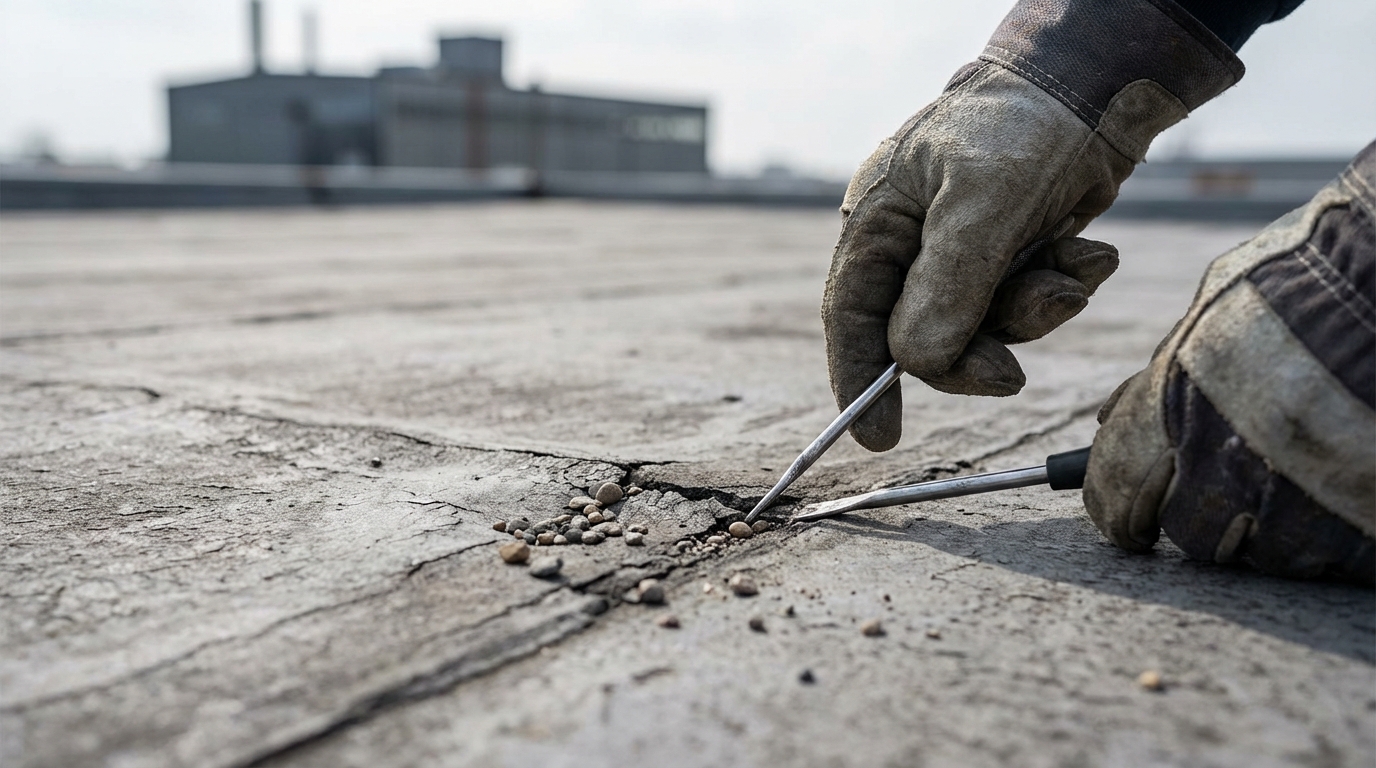
Quality contractors begin with detailed building assessment: structural evaluation, insulation condition, drainage analysis, and existing membrane inspection. They identify all issues before starting work, preventing surprises that delay completion or increase costs.
They coordinate with your operations schedule, working around delivery schedules, customer access needs, and equipment operations. They protect interior spaces with containment systems and maintain clean work areas that don't interfere with business activities.
Most importantly, they complete work in phases that maintain weather protection throughout the project. Flat roof replacement doesn't mean leaving your building exposed—professional contractors use temporary protection systems and strategic sequencing to prevent weather damage.
Red Flags That Eliminate Contractors
Certain contractor behaviors immediately disqualify them from consideration, regardless of their pricing or promises.
Door-to-door solicitation after storms indicates storm-chasing operations that disappear when warranty issues arise. Legitimate commercial contractors build relationships through referrals and repeat business, not cold calling.
Pressure tactics—limited-time pricing, immediate signing requirements, or scare tactics about roof condition—signal unprofessional operations. Quality contractors provide detailed proposals with reasonable decision timelines.
Requests for full payment upfront indicate cash flow problems or potential fraud. Professional contractors request reasonable deposits with progress payments tied to completion milestones.
Lack of local references, especially from similar commercial buildings, suggests inexperience with your building type or local conditions. Established contractors readily provide recent customer references and project examples.
The True Cost of Commercial Flat Roofing
Commercial flat roofing costs extend far beyond the initial installation price. The total cost includes material selection, installation quality, maintenance requirements, energy efficiency, and lifespan.
A properly installed TPO roof might cost 15% more initially than a basic installation, but provide 25% longer lifespan and 20% better energy efficiency. The contractor who explains these long-term value factors demonstrates understanding of your business needs.
Factor in disruption costs: lost business during installation, potential inventory damage from leaks, and emergency repair expenses. Quality contractors minimize these costs through efficient project management and reliable installation practices.
Consider the relationship value: a contractor who provides ongoing maintenance and rapid emergency response becomes a business asset. This relationship value often outweighs small differences in project pricing.
Frequently Asked Questions
How quickly can a commercial roofer respond to emergency leaks?
Professional commercial roofers should respond to emergency calls within 2-4 hours during business hours and 4-8 hours after hours. They should have emergency repair materials in stock and crew members available for immediate response.
What's the difference between repair and replacement for flat roofs?
Repairs address specific problem areas while keeping the existing roof system. Replacement involves complete membrane removal and installation of new roofing materials. Repairs work when damage is localized; replacement becomes necessary when multiple areas fail or the roof reaches end-of-life.
Do I need special insurance coverage during commercial roof work?
Your contractor should carry comprehensive liability insurance and workers compensation coverage. Verify current certificates before work begins. Your business insurance may need notification of major roofing projects, but shouldn't require additional coverage.
How long do different flat roofing materials last in Northern Indiana?
TPO typically lasts 15-20 years, EPDM 20-25 years, PVC 20-30 years, and modified bitumen 15-20 years. Local climate factors and maintenance quality significantly impact actual lifespan. Professional installation and regular maintenance extend these ranges.
Can flat roof work continue during winter months?
Emergency repairs can be completed year-round using cold-weather materials and techniques. Major installations typically require temperatures above 40°F for proper membrane adhesion. Professional contractors plan projects around weather windows and provide temporary protection during delays.
What maintenance does a commercial flat roof require?
Bi-annual inspections, quarterly drain cleaning, annual membrane cleaning, and immediate repair of minor issues. Professional maintenance programs include detailed reporting and preventive repairs that extend roof life significantly.
Choosing the right commercial flat roofing contractor protects your business operations and maximizes your roofing investment. Focus on material expertise, local experience, emergency response capability, and systematic installation processes rather than just comparing prices.
The contractor who demonstrates deep knowledge of flat roofing systems, maintains local relationships for rapid response, and offers comprehensive maintenance programs will serve your business needs far beyond the initial installation. This relationship approach to commercial roofing ensures your roof remains a business asset, not a recurring problem.